
Consonants
-
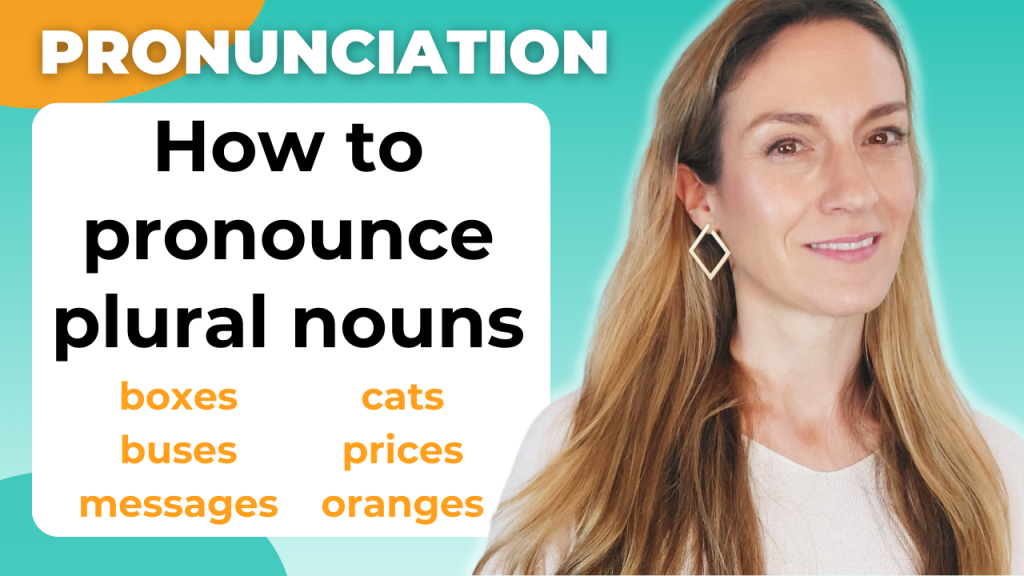
How to pronounce Plural Nouns in English
The video explores three ways to pronounce regular plural nouns in English: with an unvoiced /s/, with a voiced /z/, and with a voiced /ɪz/. It explains the reasons behind these pronunciations and provides numerous examples for improved understanding. Watch the video to enhance your pronunciation skills so listeners understand you easily. Read more
-

Light L & Dark L – The lateral approximant
The sound /l/ is a lateral approximant, also sometimes called a sonorant. It can be divided into light and dark /l/. The dark /l/ is velarized which means the back of our tongue is raised towards the velum. It occurs after a vowel or diphthong in a syllable. The light /l/ is non-velarized, also often… Read more
-

What are consonant clusters?
The video explores consonant clusters, also known as consonant compounds or blends. These are consecutive consonant sounds without a vowel in between. It discusses the rules of phonotactics in English for initial consonant clusters and final consonant clusters. The most common clusters are covered, along with opportunities for pronunciation practice. Additional practice is available in… Read more
-
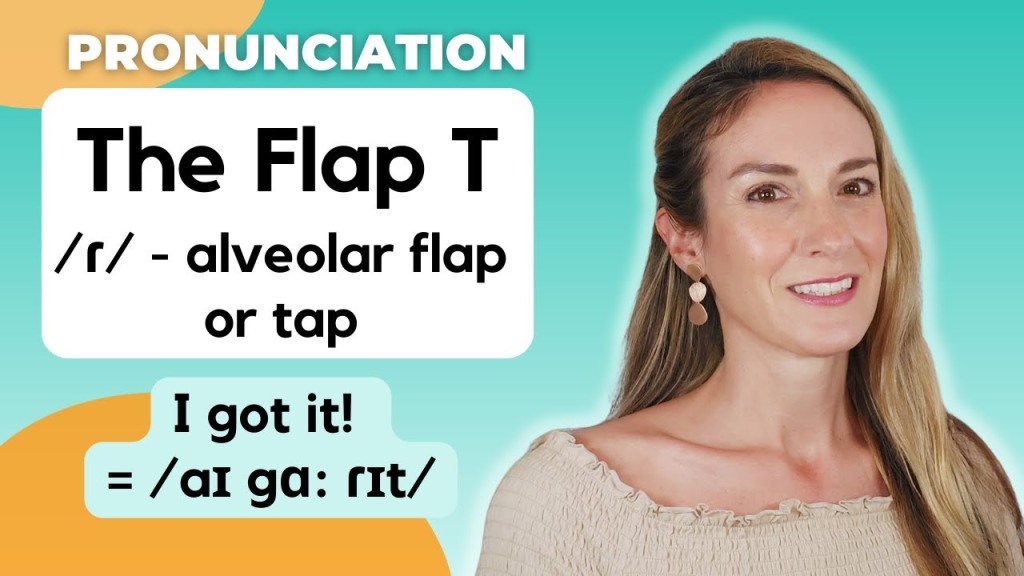
The Flap T Sound in English – Alveolar Flapping
This video teaches the flap T sound /ɾ/, which is an alternative way of pronouncing the consonant sound /t/. The new sound occurs in English spoken in North America, Australia, and New Zealand, and is a prominent feature of American pronunciation. To give your English accent an American flavor, watch this video to learn how… Read more
-
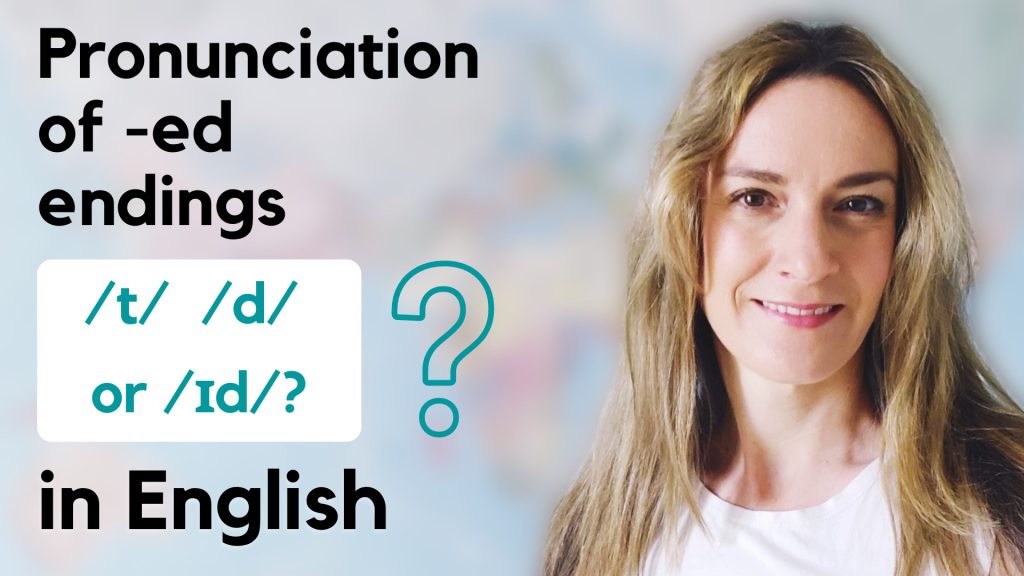
How to pronounce -ed endings in English: /t/ /d/ or /ɪd/?
The video explains the pronunciation of -ed endings in English. It clarifies that -ed endings can be pronounced as /t/, /d/, or /ɪd/. Many learners of English mistakenly pronounce it as /id/ for all words, when in fact, it varies. This pronunciation mistake can lead to confusion among the listener. The video provides guidance and… Read more
-

Approximant Sounds: r l w & j
This video covers the 4 voiced approximant sounds in English: /w/, /j/, /l/, and /r/, all of which are consonant sounds. It explains their formation and behaviour, highlighting the distinction between /r/ and /l/. The video also explores spelling patterns and presents minimal pairs for /l/ and /r/, concluding with a listening test. Understanding these… Read more
Looking for something specific?
-
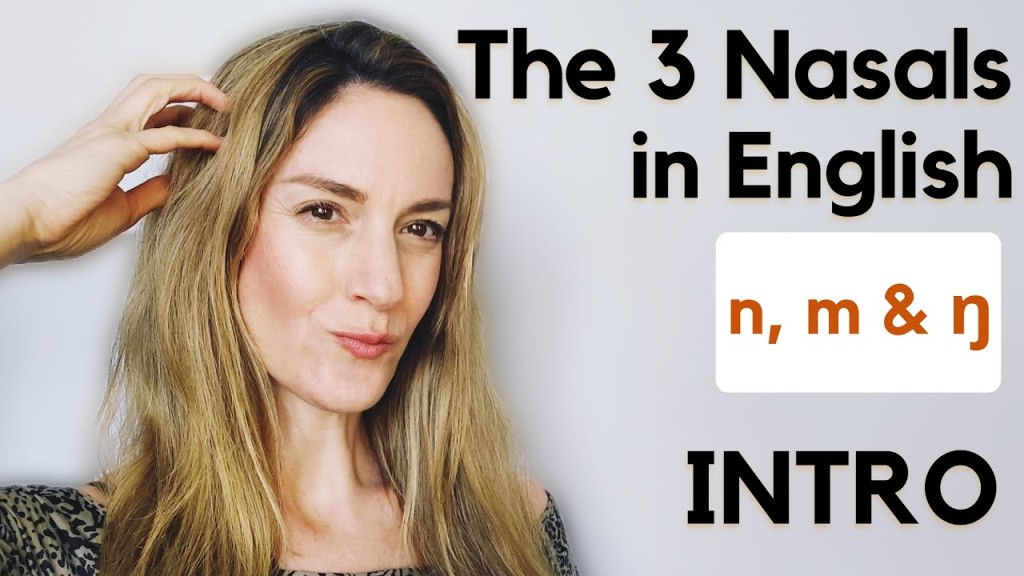
The 3 Nasal Sounds in English: m, n & ŋ
The video provides a comprehensive overview of the three nasal sounds in English. These voiced consonant sounds are formed by releasing air through the nose instead of the mouth. The sounds include /m/, /n/, and /ŋ/, each with specific formation instructions. The video also covers words containing these sounds, common spelling patterns, and minimal pairs… Read more
-
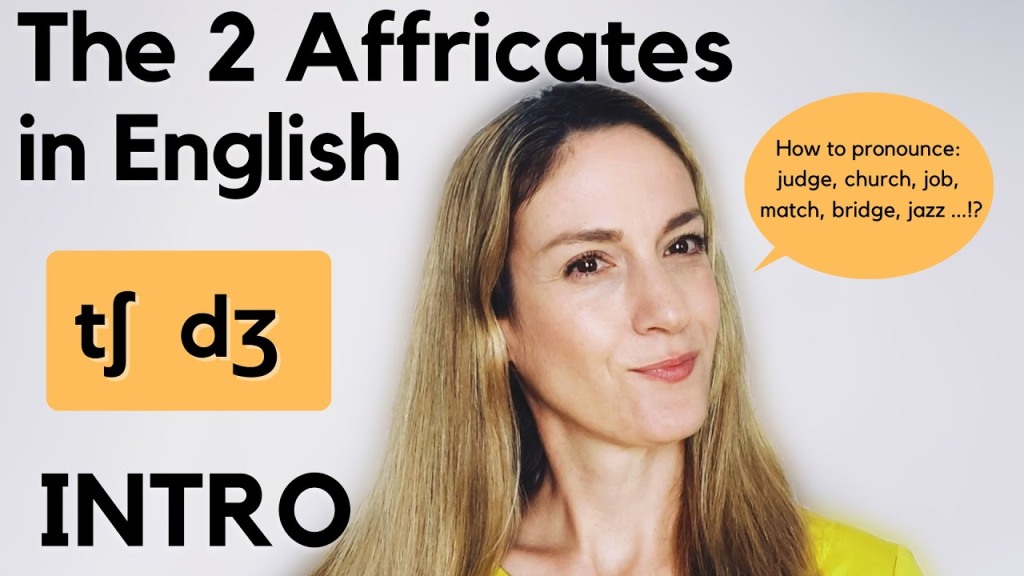
The 2 Affricate Sounds: tʃ & dʒ
In this video, the unvoiced affricate /tʃ / and the voiced affricate /dʒ/ in English are explored. They are also known as semi-plosives as they combine a plosive sound with a fricative. The process of forming these sounds, example words for practice, and their common usage in English are covered. Additionally, minimal pairs for /tʃ… Read more
-
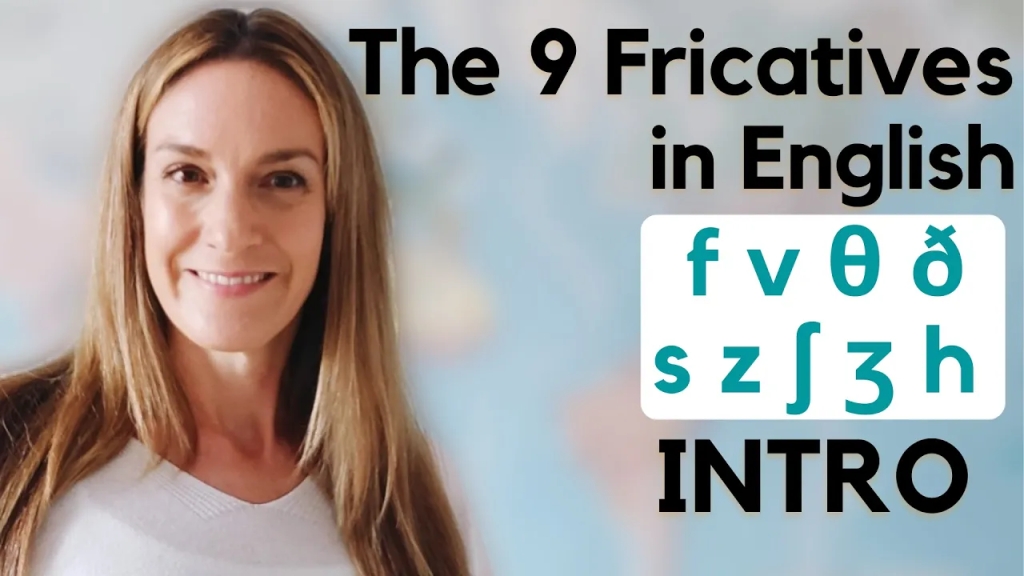
Consonants: The 9 Fricatives in English
This video covers the nine fricative consonant sounds in English: /f/, /v/, /θ/, /ð/, /s/, /z/, /ʃ/, /ʒ/ & /h/. Fricatives are formed when two articulators make a small gap in the vocal tract, creating audible friction. Various tongue and teeth positions generate these sounds. The video also discusses typical spellings of each fricative consonant… Read more
-
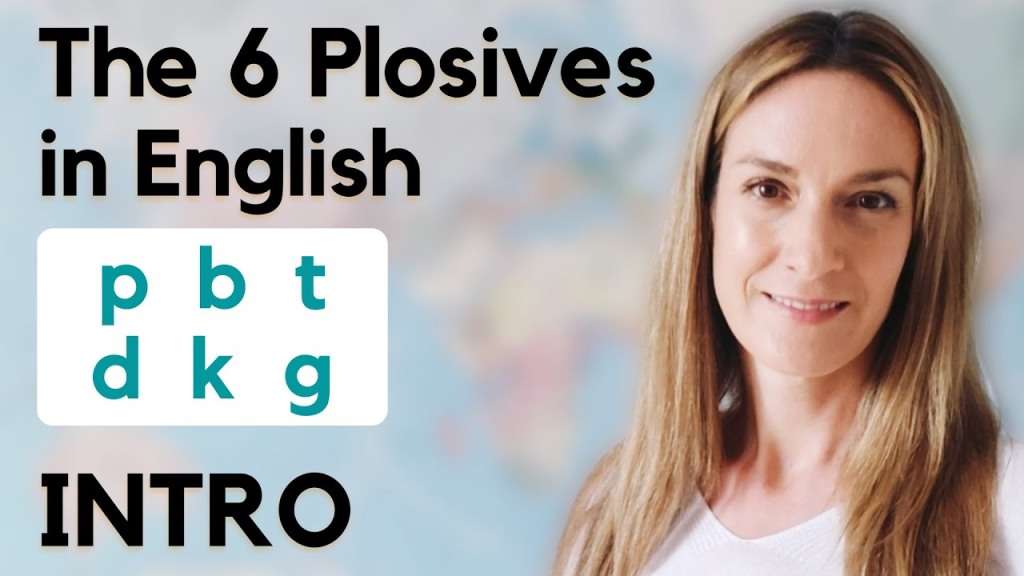
Consonant Sounds: The 6 Plosives in English
The video provides a comprehensive understanding of the six plosive consonant sounds in English: /p/, /b/, /t/, /d/, /k/, & /g/. It explains their voicing, articulation, aspiration, spelling, and provides examples of minimal pairs. The instructor also corrects the previous examples of aspirated plosives, offering new ones: “cat,” “top,” and “pack.” The content covers the… Read more
-
Semi-Vowels in English /j/ & /w/
The video lesson explores English semi-vowels /j/ and /w/, and briefly touches on /r/. It explains the distinction between semi-vowels and regular vowels, and why they are classified as semi-vowels despite being consonants. The lesson also covers the specific characteristics of these sounds and provides examples of words containing them. Check out the video for… Read more
-
The Phonemic Chart – Vowel & Consonant Sounds in English
The video covers English vowel, diphthong, and consonant sounds using the IPA symbols. It explains the organization of the phonemic chart and the sound groups like monophthongs, diphthongs, and consonants. The content provides a comprehensive overview of the sounds found in English, making it a valuable resource for language learners. Read more
Billie English on YouTube
With a library of over 290 videos as of 2024, ‘Billie English’ has amassed over 100k subscribers and 6 million views on YouTube, solidifying its status as a trusted resource for English learners and phonology geeks worldwide.
In addition to its significant social media presence, Billie English offers a variety of online English classes and learning materials.


Meet Your Coach
Discover your English potential with Billie, your online accent reduction coach and English teacher. Master sounds, stress and intonation, and speak with confidence and fluency.
Our personalised classes focus on minimising native accents to ensure crystal-clear communication. Join our diverse clientele and benefit from expert guidance tailored to your individual needs, helping you become a confident English communicator and excel in your work and beyond.
 Billie English